
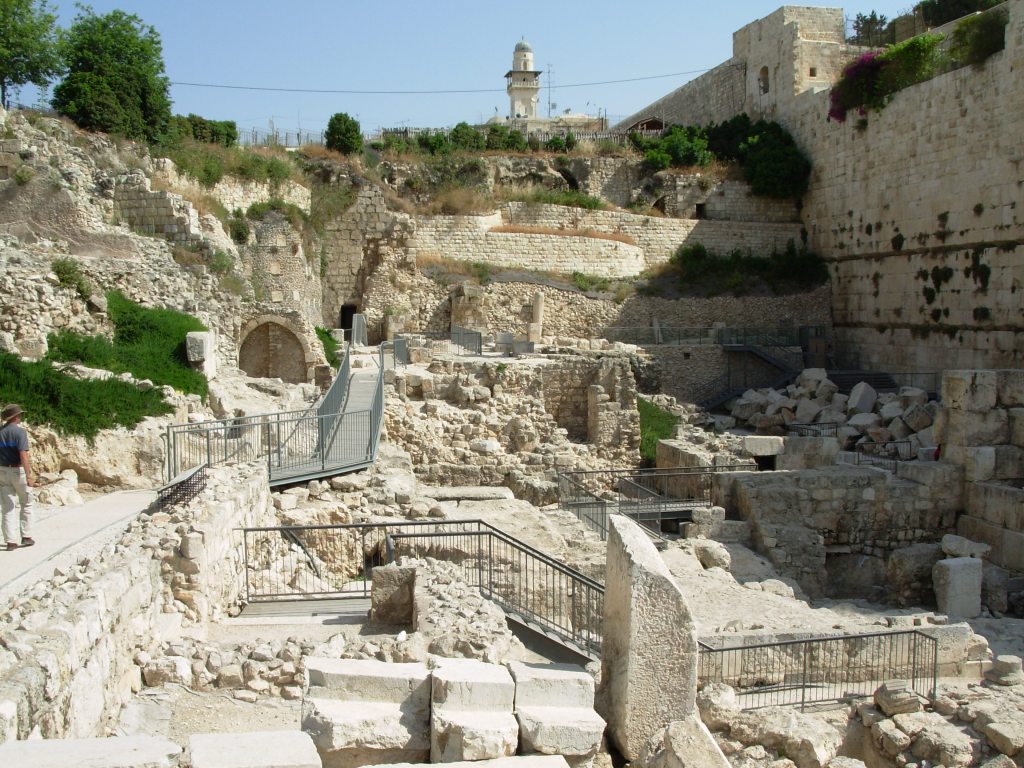
Jesus’ arrest, kangaroo court trial, meeting with Pilate, and crucifixion were verified historical events. Archeologists have found documentation (on paper and on stone), both Roman and Jewish, that conclusively verifies the facts and removes Jesus’ birth, life, and death from the realm of religion. It is recorded history.
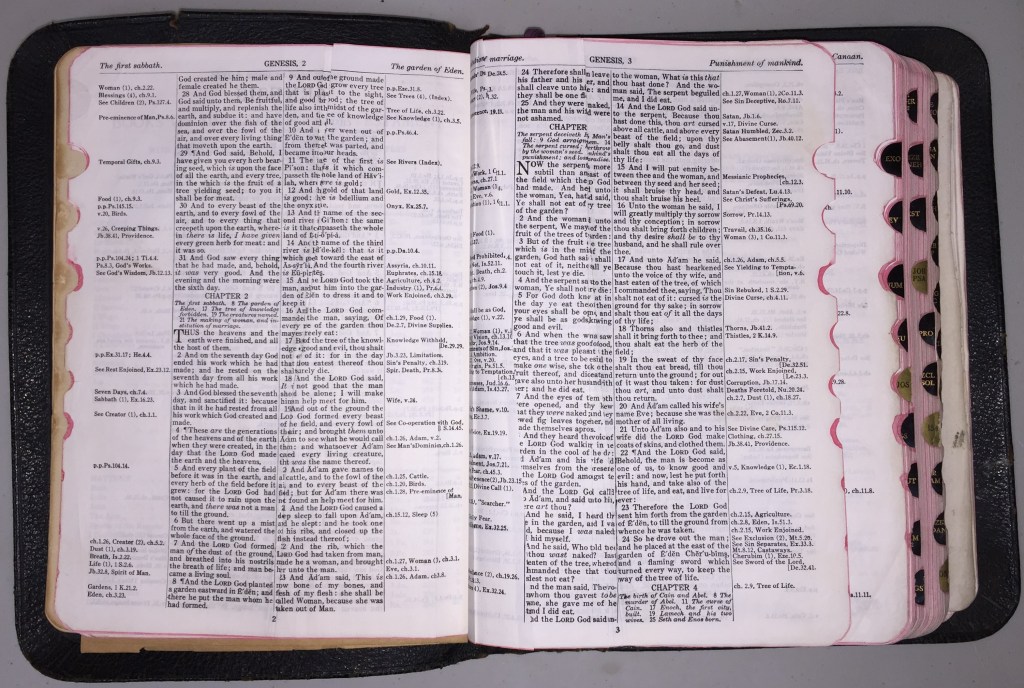
You need to know that science, including archeology, has verified the Bible hundreds of times. Therefore, the Bible is an authentic history book in addition to being the Holy Word of God.
But what about Jesus’ resurrection? Has that been verified? Yes, and it starts with that authentic history book – the Bible.
Jesus’ resurrection was witnessed by the guards stationed at the tomb. They were to guard the tomb for at least three days to prevent anyone from stealing Jesus’ corpse and claiming that He raised from the dead (Matt. 27:60-65).
When the guards told the Jewish leaders about Jesus leaving the tomb, the leaders bribed the guards to lie. The lie was not the guard’s idea. Read this: Matt. 28:11-15: “As the women were on their way, some of the guards went into the city and told the leading priests what had happened. A meeting with the elders was called, and they decided to give the soldiers a large bribe. They told the soldiers, “You must say, ‘Jesus’ disciples came during the night while we were sleeping, and they stole his body.’ If the governor hears about it, we’ll stand up for you so you won’t get in trouble.” So the guards accepted the bribe and said what they were told to say. Their story spread widely among the Jews, and they still tell it today. (NLT)”
But most people miss an exceedingly important concept here. The lie is self-contradictory because no one can know what happens when they are asleep. Therefore, the lie and the bribe adds to the evidence that Jesus did, indeed, raise from the dead.
Another question has been asked: “Why is Jesus’ resurrection important?”
1) For starters: all of history is dated according to Jesus’ birth. 2) The resurrection verifies the power of God by not only creating life, but also by restoring life to one who had died. 3) It proves who Jesus claimed to be – the Messiah, God in the flesh. 4) It proves the Old Testament prophecies were correct. 5) Without the resurrection, we have no Savior, no salvation, no eternal life (1 Cor. 15:14-19). 6) In John 11:25 Jesus said “I am the resurrection and the life.” And He told his disciples several times that He would die and come back to life. So it proves that Jesus knew the future, it verifies that Jesus was in control of the situation, and it proves that Jesus was correct in everything He said.
Another question I heard is, “What’s the big deal about the empty tomb?” Great question!

The resurrection is important, and the empty tomb verifies the resurrection. That gives credibility to Jesus’ statement in John 11:25-26, “He who believes in Me, though he may die, he shall live. And whoever lives and believes in Me shall never [spiritually] die.”
Did anyone see Jesus after He walked out of the tomb? I am thrilled to say, “Yes!” There were at least twelve events in the Bible when Jesus appeared to people. The first to see the risen Christ were the guards who were supposed to keep His corpse secure. The second appearance was to Mary in the garden near the tomb. And the last time was to over 500 during His ascension. Yes, there were witnesses!
Something else to consider: Hundreds, if not thousands, of people came out of their graves when Jesus came out of the tomb. They walked among the towns folk telling about the wonders of God. Now THAT’s what I call personal witnessing! Jesus’ resurrection is the world’s most significant event after creation.
I’ve been told that believing in Jesus is an example of blind faith. Not true! Although faith in Jesus Christ requires child-like faith, Scripture attests that all of nature reveals the Glory of God and we see God’s handiwork with eyes wide-open. Our faith is simple and in vivid color. No other religion or faith has the substantiation that Christianity has. All other faiths are blind to some degree.

Finally, hundreds of millions of people throughout history have been transformed by simply placing their faith and trust in Jesus. Why? Only a living Savior Who is actually God has the power to forgive sin and turn sorrow into joy.
We need to remember that Jesus’ resurrection and the empty tomb verifies that our redemption is complete. The future of believers in Christ require no guessing: it’s an established fact. Since Jesus raised from the dead, He is preparing a place for us in heaven – and He will come back in the same way He left. Read Acts 1:9-11.
Jesus is alive!


 Gene Linzey