
What does it take to have a joyful, long-lasting Marriage? Not merely long-lasting, but joyfully long-lasting. This topic could possibly fill 75 books, but I’d like to share two simple ideas that will help.
First: Develop a Deep-Seated Desire to Honor the Lord.
I accepted the Lord into my life at age 5 – and I remember it clearly even today – but I didn’t know much about maturing in my Christian walk until after Carol and I were married. Was I a Christian? Yes. Did I turn away from the world? Yes. That’s why I turned down the invitation at age 18 to go to Hollywood. Did I love the Lord? Yes, as much as I knew how.

God knew how to get my attention, and I listened. At age 15, He let me know that I would get married early. But I didn’t go looking for a girl-friend for a prospective wife: I knew God would bring her to me – or take me to her. And He did.
We married on August 22, 1966: my 20th birthday anniversary. We said our vows from memory and sang a duet for our wedding; the title is Submission [to the will of God].
Throughout our marriage, I had three priorities: 1) Serve the Lord to the best of my ability, 2) Take care of my family, and 3) In everything I do, give it my best effort. I decided to be the perfect husband and the perfect father. Well, I knew there is no such thing as perfect, but I would be next to it.
WRONG! I made many mistakes, and that shouldn’t surprise anyone.
But my strongest desire in the world was to live for the Lord in the best way I knew how. I also knew that Carol was more spiritually mature than I was, and I learned from her.
Second: Develop a Deep-Seated Desire to Honor your Spouse.
I had a flippant outlook on life until Carol and I were married. I was a mediocre student in high school and my first two years in college. But when we were married, my outlook on life changed. I excelled in all my schooling and vocational work. As a bi-vocational pastor, I helped stabilize churches and businesses.
But putting that kind of drive into husband-hood and fatherhood caused strife. Something needed to change. But what? My attitude, for starters. Here are several items I had to work on.
Be kind to others. Accept them for who they are. If a change needs to be made, allow God to do the work.
Be kind to Carol and the kids. Don’t try to force them into my mold. Allow them to grow into their own person. Guide them. Don’t order them, but help them.
Listen to Carol. Spend time with her. Allow her to freely express her thoughts and feelings. It was hard for me to listen without trying to fix everything, but listening without interrupting is sometimes the best thing a person can do.
Don’t try to solve everyone’s problems. I don’t know as much as I think I do, anyway. I need to allow the Holy Spirit to be the Fixer. Don’t try to take His place, but as much as humanly possible, be available to help.
When Carol & I seem to get upset with each other, it isn’t always because of something we did wrong. We might be bothered about another issue, and we’re subconsciously expressing our feelings about it. We learned this from I Samuel 8:1-9. The people were upset with the prophet Samuel; they wanted a king to rule them instead of a prophet. God told Samuel, “They’re not rejecting you, Samuel; they’re rejecting Me.”
That told Carol and me we aren’t normally upset with each other, so don’t interpret disagreements as personal attacks. The fight isn’t ours, and the Lord will help us to eventually settle it. I call it: Don’t catch the verbal hand-grenades. Don’t retaliate or respond to the perceived attack.

Don’t try to resolve every misunderstanding because some problems will not be resolved this side of the grave. Most problems are not life & death issues; they are not violations of our marriage vows; and they won’t make much of a difference anyway. State your opinions, but do not require changes. Allow each other the emotional freedom to be himself or herself.
Be each other’s best friend.
So honor the Lord, and honor your spouse; you will be surprised how much happier you both will be, and how much more joyful you home will be.
 name the animals, prepare his own meals, etc. – all the while with no other human to talk to. Being alone is no fun, and trying to talk to critters goes only so far.
 excellent pointers on how to develop wholesome, proper communications; and, therefore, how to develop a wholesome marriage. Louis and Leah understood the art of marriage, and were married more than 61 years before he passed away.
 relationship; 2) Work at promoting unity, and don’t do anything that hinders unity; 3) Control the tongue, words can heal or kill a marriage; 4) Honor your agreements, unity is based on trust; 5) Be kind to each other, little kindness throughout the day are worth more than one big one at the end of the day; 6) Take time to stop and think about each other’s positive qualities, strengths, and talents, and let your spouse know that you appreciate him or her; and 7) Spend time together. These seven things are more than mere suggestions for a strong marriage. They are mandatory as we consider the art of marriage. And tell your spouse several times a day that you love him or her.
 My 97-year-old mother was in and out of hospitals, and getting ready to meet the Lord face-to-face. The family was getting ready for another big change; and as is often the case, the family wasn’t able to address every detail. We needed assistance. (The picture of mother and me was taken when she was 95.)
 Wm. G. Justice titled “Training Guide for Visiting the Sick.” Mr. Justice, referring to all the elderly, whether sick or not, said, “The purpose is to oversee the care of those who are hospitalized, sick, shut in, or are in some way in need of care; and to assure they have their needs met to the best of our ability.”
 1 Thessalonians 4:14 says, “For since we believe that Jesus died and was raised to life again, we also believe that when Jesus comes, God will bring back with Jesus all the Christians who have died” (NLT).
 Years ago, that perplexed me because, since God is all-knowing, He knew that man would need a helper, a friend, a companion. So, why the comment? I think it was because God wanted Adam to realize that he (Adam) needed a companion. God allowed Adam to explore the world, look at and name the animals, prepare his own meals, etc. – all the while with no human to talk to.” Being alone is no fun.
 Watching portions of the Olympics some time ago, I was amazed at the skill exhibited by the figure-skaters. Their performance was a beautiful expression of the art of skating. Several fell, but they got up and finished the presentation. How could they execute their art with such masterful technique and style? They studied and practiced. Falling didn’t deter them – they kept at it. That’s the method we use in mastering any art form, including the art of marriage.
 hosting marriage seminars for years. Paul wrote the book WisdomBuilt Biblical Principles of Marriage (EA Books Publishing, 2019) that goes along with the seminars. These seminars are based on Building People – Building Relationships. Paul joyfully says, “Stay Together – Stay Happy!”
 So whether we are engaged and considering marriage, or are celebrating our 70th anniversary, we all need to work at improving our communication skills; therefore, improving our marriage or prospective marriage. As we redefine our roles, marriage will take on a renewed, satisfying, and completed meaning. Remember: our spouse is God’s gift to us.
 a legacy. There are two kinds: physical and spiritual. So, what kind and what quality of a legacy are you creating?
 relative, friend, neighbor, whomever) in the casket was lowered into the ground and you left the cemetery, what left with you? Money? Land? Clothing? No. So if none of that left the cemetery with you, what did? MEMORIES! The person’s character – exemplary or disappointing – does not get buried, but remains in the minds of all those who know him or her – or even know OF him.
 to build our rockets and space shuttles. I was on several of those teams. Each person designs, programs, or builds his own portion, then hands it (the legacy) to someone who takes the product to the next level. There is always someone who will pick up where we leave off. If we do our part well, we have created a good legacy. Then when all the parts are finally assembled into a rocket and space shuttle and placed on the launching pad, what happens? If the vehicle is assembled properly the passengers will safely reach the space station, the moon, or whatever destination has been programmed.
 proven throughout history that others will be either blessed or hurt by how we live. Proverbs 11:18 tells us that if we do what is right, we will be rewarded. Proverbs 22:9 informs us that those who share what they have with others will be blessed. Those three verses talk about our legacy.
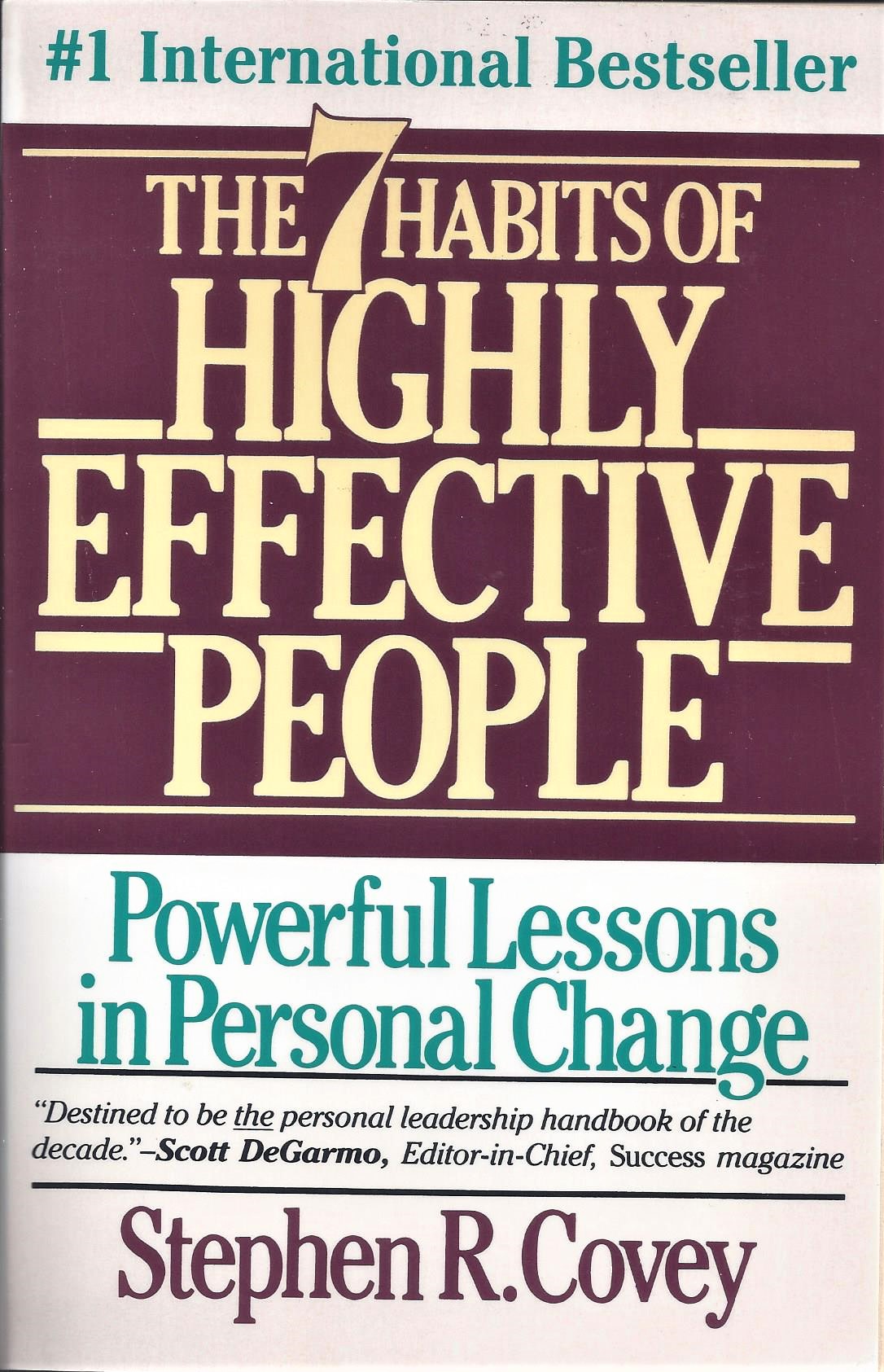 National Laboratory. One of my responsibilities was to assure that our staff’s training was up-to-date. One day I read about a seminar titled, “The 7 Habits of Highly Effective People: Powerful Lessons in Personal Change.” That intrigued me, and I attended the seminar to see if I should recommend it to our staff. I’m glad I did, and it was my privilege to meet and talk with the speaker, Dr. Stephen R. Covey. Dr. Covey condensed his seminar into a book titled by the same name: “The 7 Habits of Highly Effective People.” (He passed away in July of 2012. America misses him, but his teaching will go on. And yes: I recommended this course to our staff.)
 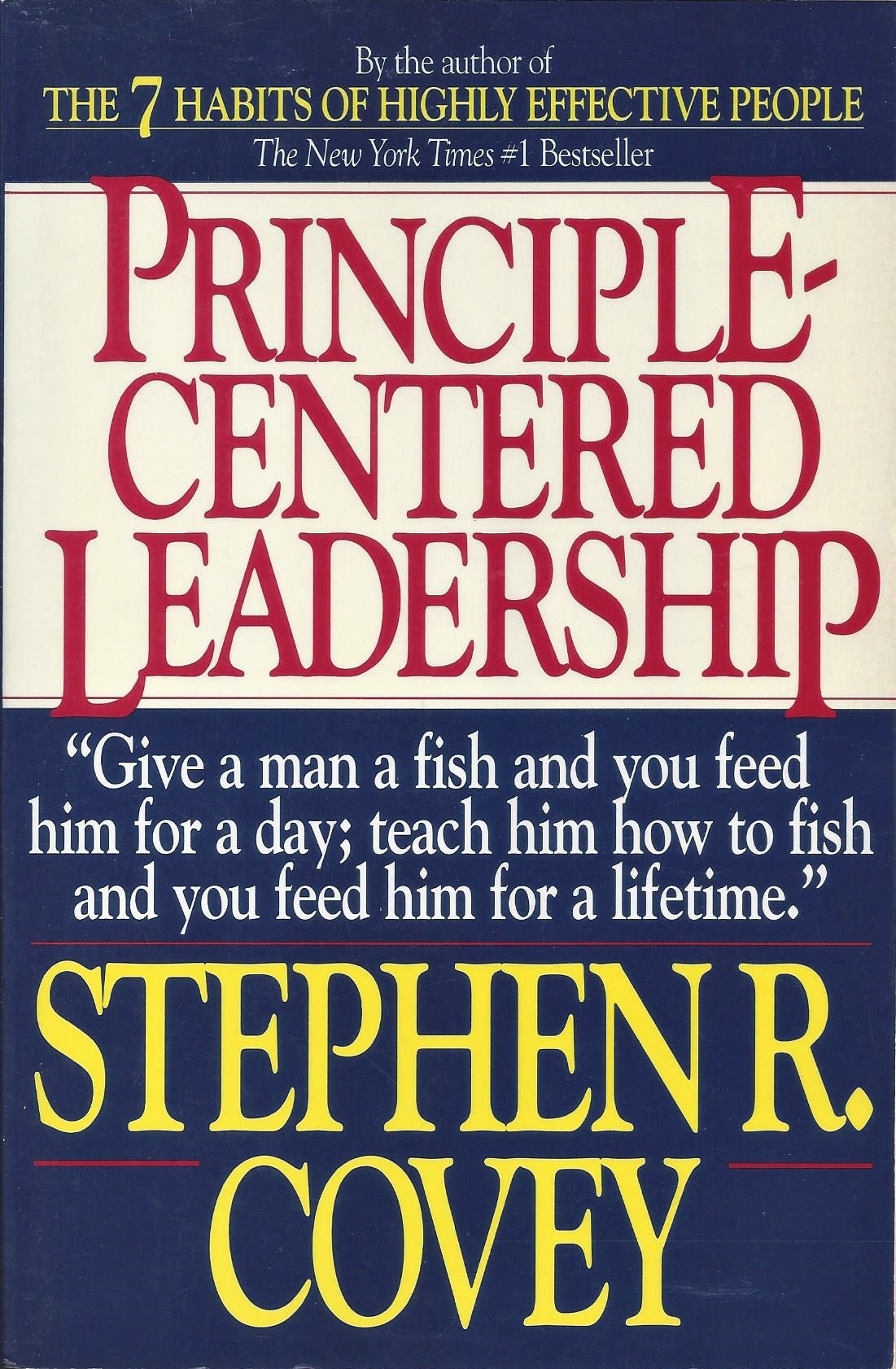 The information I gained at the seminar, and in reading the book, did not guarantee quick fixes to any personal, interpersonal or business problems. But I was supplied with tools to improve my communication skills, my outlook on life, and reduce unnecessary friction.
 off work at the Boeing Aircraft Company just after midnight, I was heading home looking forward to the chocolate cream pie my wife had made. No one else was in sight on the road. I was driving carefully because it had snowed earlier that day, and now a gentle, slushy rain was falling. The temperature was around 30 degrees.
 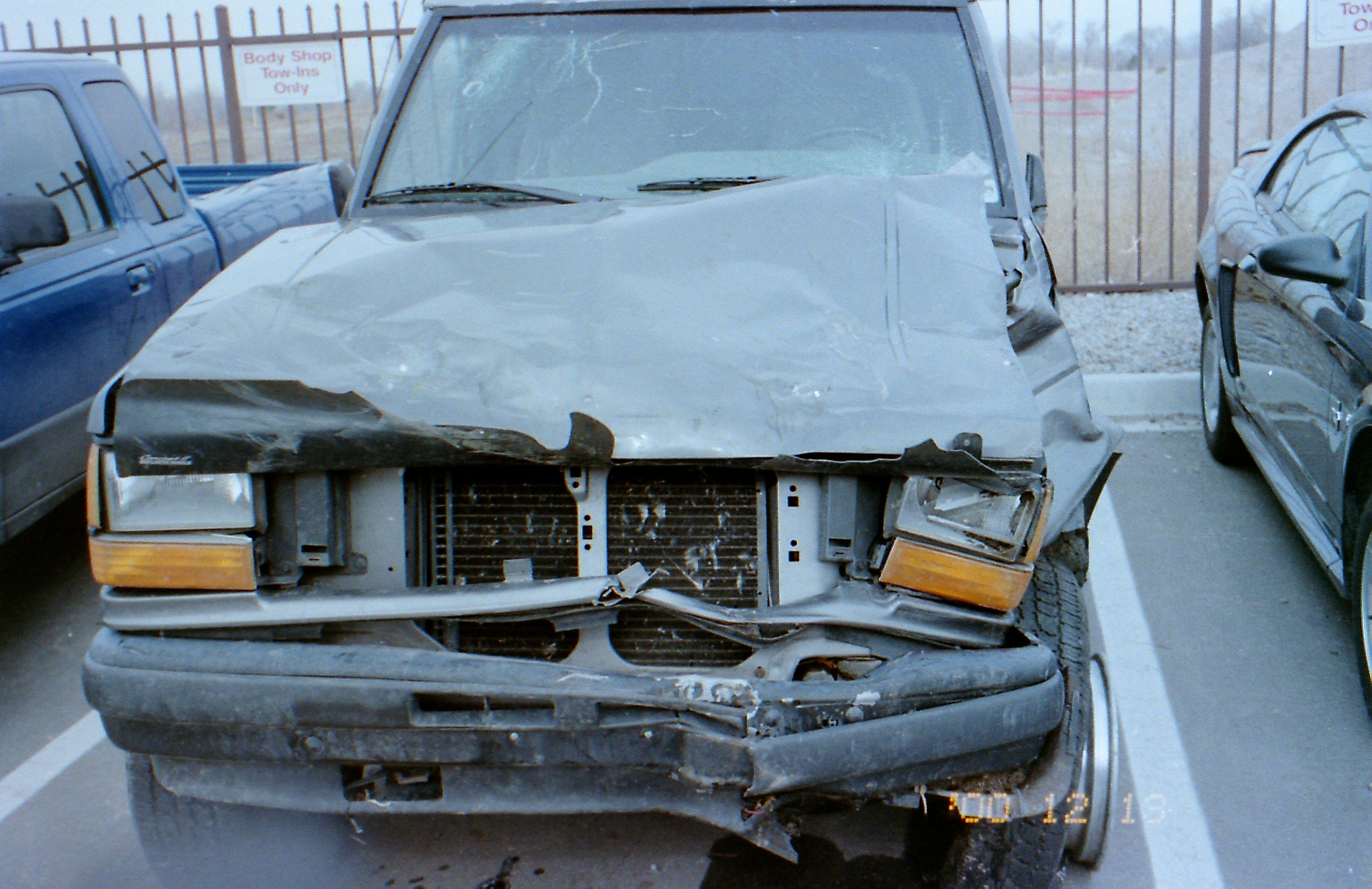 the embankment into the freezing water. Within seconds, a Ford going about 45 miles per hour slammed into the back of my Toyota. But at that moment another man, who had also stopped to help, walked unseen in front of me. The impact hurled my car and me about seventy feet down the slick road; but my car hit the unseen helper. He was flung around like a rag doll, and wound up under the car we had stopped to help.
  I thought the ordeal was over, but about a year later I was summoned back to Seattle. The crippled man was suing (rightfully so) and a more detailed deposition was required from me. This time I underwent something like an FBI interrogation, and the interrogators’ questions were leading me to spin the 1970 incident in favor of the crippled man. Desiring to support the injured man but maintain total honesty, once again how should I respond?
 Gene Linzey