Tales From the Road: Danger Warnings

How many of you have a trailer, 5th wheel, or motor home? Perhaps I should also ask, how many of you formerly had one? You folks know there are many things to consider while living in an RV and things can go wrong.

While setting up in a campground or park, we need a level spot, or we need to use various items to level the rig. We need to connect to the proper power – 20, 30, or 50-amp service – and include a heavy-duty surge-protector in the circuit. We never know when rain and a thunderstorm will descend on us, or if other catastrophic electrical surges will hit. And as we connect to the water supply, we need to have a pressure-limiter to protect the plumbing. Believe-it-or-not, many campgrounds have high water pressure which can rupture plastic pipes.

When setting up the drain for the gray and black tanks, we need to assure that the tube cannot come loose during the draining operation. That would be a mess, especially with the black tank, and could cause a political or environmental mess. Oh yes: the gray water is from the shower, bath, and sinks. The black water is from the toilet. And when draining both tanks, we drain the black water first and let the gray water flush everything else down the drain. Of course, you want to have an attachment to rinse the tube with fresh water after you drain both tanks.

Until we bought our RV, we didn’t realize how much water evaporates in the trailer. Cooking, boiling water, making coffee, washing dishes, and cleaning ourselves all puts water in the air. But even when we don’t do any cooking, washing, etc., in the trailer, we still found heavy condensation on the windows on cold mornings. We learned that on the average, each person perspires and breathes out between three to five and a half cups of water a day. So, in humid areas, it’s beneficial to have dehumidifiers in the RV.

Hopefully your RV has an outside hose to rinse off sand and mud, so you don’t track it inside. You can use another garden hose if you have multiple faucets or use a splitter on a single faucet.

Most RVs I’ve seen use propane for cooking. When propane burns, it produces heat, water, and carbon dioxide (CO2). CO2 is not poisonous but can kill by displacing oxygen – it suffocates us. But when propane doesn’t burn properly, it produces heat, water, CO2, and carbon monoxide (CO). CO is absorbed into the body much more easily than oxygen and is poisonous. So, check your burners periodically, and make sure that you open windows and use the exhaust fan while cooking.

One time while toasting bread in the microwave oven, we over did it. When we opened the door, the smoke alarm exercised its sound system. In a regular house, the beeping is highly irritating. But in a trailer, it is LOUD and hurts the ears! That’s when we learned the smoke detector works.

That reminds me: once while we were washing dishes after breakfast (Carol washes and I dry), the propane sensor began screaming. That’s loud enough to wake up someone in the trailer next door! But it has to be loud in order to save lives. We discovered that while we were cleaning the stove, we lightly bumped the burner knob and turned on the propane. It wasn’t enough to cause a hiss as the propane escaped, and we don’t have an electronic ignition; but enough gas was escaping to set off the danger warning. That’s when we found out the propane sniffer works.

As I said earlier, there are many things to think about while living in an RV, and our enjoyment and satisfaction depends on our attention to detail. I’m happy to report that after our year-long trip in the RV, we arrived home safely.

But did you realize there are many things to think about while living on this huge RV called Planet Earth? Although we must learn to live safely, we’ll all die sometime, and we need to think about where we’ll go.

God has supplied us with numerous warnings to let us know when we’re in spiritual danger. We receive advice from our parents, spouse, friends, and authorities; but most of our best cautions, counsels, and admonitions are easy-to-read in the Bible. The Psalms and Proverbs are primary sources of wisdom, and our safety depends on our attention to detail. If we read the Bible daily and learn to live for and honor Jesus, He will guide us, and we’ll get to our ultimate “Home” – heaven – safely.

Tornado!

Carol and I were visiting our son, Jeremy, and his family in Oklahoma when my cell phone interrupted us. It was a tornado warning for Siloam Springs. We’ve received tornado warnings in the past and were thankful the storms passed over or around our town. But this time, it was different.

After midnight on October 21, 2019, an EF-2 tornado, accompanied by straight-line winds, hit Siloam Springs and a few other places in northwest Arkansas. An EF-2 can cause major damage.

The next day, our daughter-in-law, Angela, checked the news and found that up to nine tornados hit the Dallas-Fort Worth area. The worst of them was an EF-3. Soon, the topic of windstorms, especially tornados, prompted a discussion among the grandkids.

When one of the granddaughters learned that these circular winds can pick up cars, rip roofs off buildings, topple trucks, and pick up and splinter houses, she asked, “Grandpa, how does a tornado pick up huge things like cars and houses?”

Aha! A teachable moment, and five or six grandkids were close by.

“Gloria, what’s the name of the machine that cleans your carpets?”

“A vacuum.”

“Right. And what does it do?”

“It picks up dirt.”

“Right, again. The roller with brushes on it is sometimes called a beater. The roller turns almost 6,500 times a minute. That’s about 108 turns a second. But the machine also has a fan that sucks in air. So, when the roller and brushes vibrate the carpet and shake the dirt loose, the machine pulls loose dirt in with the air. If the vacuum hits a piece of mud, the mud usually breaks apart and the vacuum sucks up the pieces. Small rocks can’t break apart, so the vacuum just swallows them.”

“That gets loud. But how does a tornado pick up cars or houses?”

“I’m getting there. Does your mama have a blender?”

“Yep.”

“When you turn it on, what happens?”

“It chops up food, spins it, and makes it into a liquid.”

“What does it look like as it’s spinning?”

“It pulls the food down in the center and pushes it up on the sides.”

“Right. A tornado does that but upside down. A tornado is like a huge blender but without the blades. The powerful force of the wind and change of air pressure – vacuum – are what tear things apart. Now, let’s put this all together.

Tornados are like a combination of upside-down blenders and right-side-up vacuums. Vacuum heads are only 8-16 inches wide and can pick up dirt, sand, pennies, little rocks, socks, things like that. But a tornado can be as small as 500 feet wide or as large as several miles wide. They create winds as slow as 80-miles-per-hour, or over 300-miles-per-hour. And they can pick up things that weigh several tons.

 “When a tornado hits a car, the car is like a rock and doesn’t break apart. So, the wind moves the car and the vacuum sucks it up. It’ll get banged up, thrown around, and most of the time it’s destroyed. When a tornado hits a house or building, the wind normally tears it apart like a vacuum cleaner breaks up a piece of mud. The tornado sucks up the pieces of buildings and sends them several yards and sometimes miles away. But once in a while, a gentle part of the tornado – that sounds funny – picks up an entire house without shattering it. The house moves sideways for several feet or is turned around without breaking up.”

“But the plumbing and electrical system has to be repaired.”

“You got it. The power of the wind breaks the house loose from the footing, and the upside-down blender suction picks it up and turns it. However, even though the house might look mostly fine, it might have to be rebuilt anyway because of internal damage.”

That brief, over-simplified explanation satisfied the grandkids’ curiosity.

But tornados of other kinds, such as death in the family, loss of job, poor health, breakup of a marriage, can tear up our lives. We might appear to be fine, but we are broken up on the inside, and simple explanations don’t help. A counselor might help us cope, and friends can help us recover; but only God can help us heal.

Don’t be afraid to ask the Lord for help. John 15:13 says, “Greater love has no one than this, than to lay down one’s life for his friends” (NLT). Jesus gave his life for you. Turn to Him and trust Him in the turbulence of your life.

Lessons From the Flock – Stay Focused

What are they doing out there?”

I was pouring a cup of coffee – my first one of the day – and had my back to Carol.

“What are who doing out where?”

“You have to look and see.”

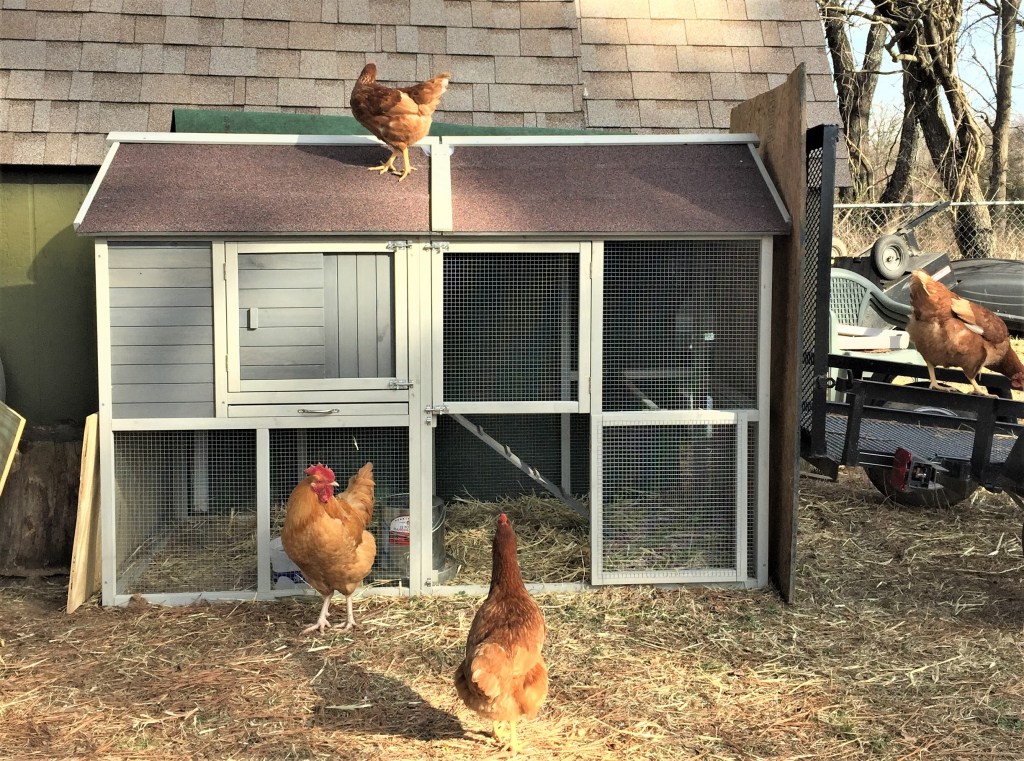
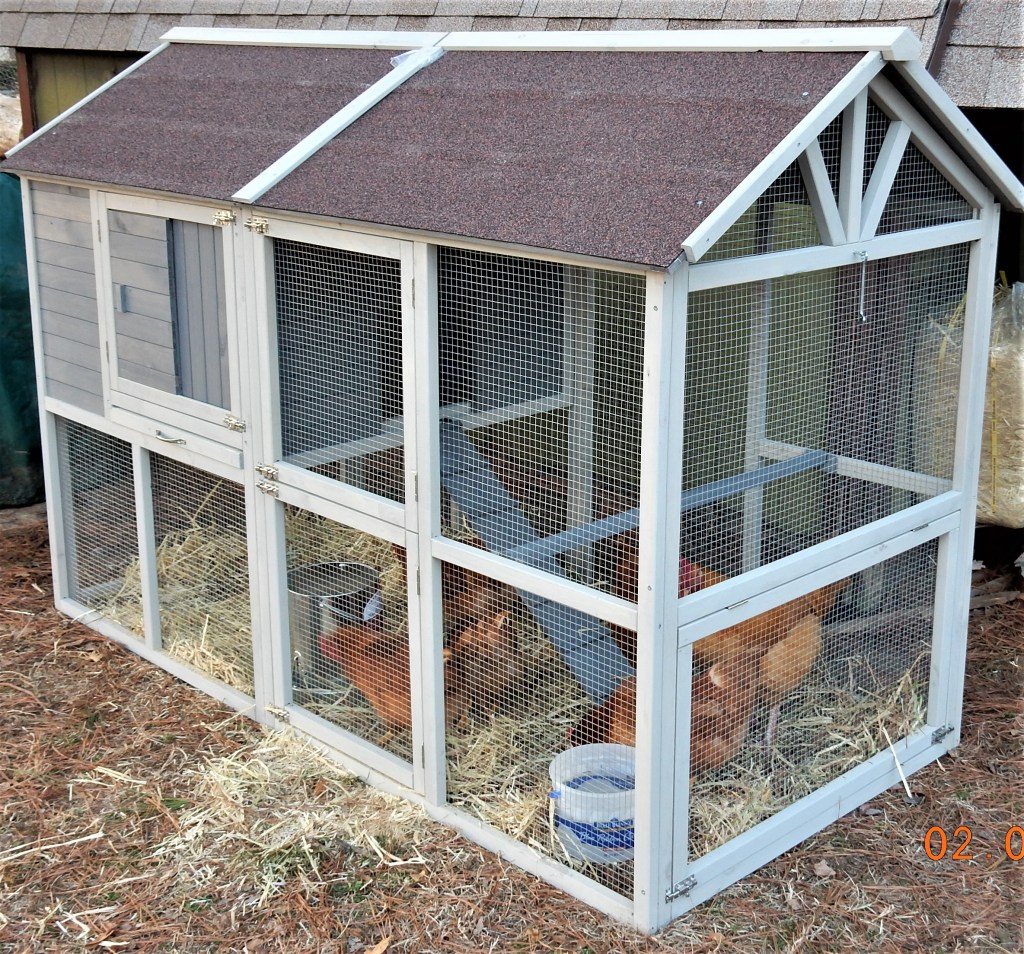
It was around 7:15 in the morning and I had already gone out to let the girls (chickens) out of the coop. As I prepared their mix of goodies, they followed me so closely that I nearly stumbled over them. Goldie and Elona pecked my britches as a sign to pick them up and love them a little – which I did. Then, as they began gobbling up the morning meal, I returned to the house where my coffee was waiting.

As I set my cup down, Carol reached for her camera to take a video of what was taking place. I began laughing. I had seen this many times previously but had never seen it from Carol’s viewpoint.

Goldie had entered the coop but left it within a few seconds. Whitey was walking toward the entrance of the coop. When Goldie walked out, Whitey entered, but quickly exited and stood at the entrance. Red Head was pacing a few feet away.

“Elona must be on the nest, Precious, and the other girls are waiting. No one will go in to make their deposit until Elona leaves the nest. And it looks like Whitey will be next.”

“That doesn’t make sense. Even if she’s on the nest, there are four more nests available. “Why don’t they use the other nests?”

I poured milk into my coffee to cool it and to give it a better flavor. I don’t like black coffee. I don’t like it hot, either.

“That’s human logic, Precious, but not necessarily bird logic. Remember when Goldie became a brooder and sat on twenty-three eggs?”

“Yes. All four birds laid the eggs in one nest.”

“They still do that quite often.”

“But Fred has been gone for eleven months now; do they think they can raise another flock?”

(Fred was the rooster.) “Who knows? I can figure out part of their thinking, but not all of it. All I can say is the girls seem to be waiting in line until it’s their turn to pay their dues.”

“You mean, lay their eggs. I didn’t know chickens could be so patient. Look!”

Elona walked out, and Whitey entered. Goldie moved up and stood at the entrance – Red Head continued pacing a few feet away. She would go last.

Putting her camera down, Carol finally said, “When it comes to eating, they will grab worms, cockroaches, moths, and other choice morsels from each other’s beaks; and Elona and Goldie fight each other vying for your attention. But when it comes to taking dust baths or laying eggs, they patiently wait in line? I don’t get it.”

“I don’t know if it is about patience; it might be a matter of being focused.”

The day before, Goldie and Red Head were chasing Elona all over the quarter-acre backyard trying to get the night-crawler away from her. Focused on that worm, they cornered Elona, and all three birds managed to eat a portion of that 7-inch fish-bait.

 The birds know how to be focused. God programmed that into them. As they meander around the yard, they are always on the alert for a bug – either flying or creeping. Sometimes one of them will half-run and half-fly all the way across the yard, leap or fly up several feet and grab a butterfly that is flying low. Now that’s being focused!

Is there something we can learn from our flock? Yes.

Not able to focus on eternal values, chickens are focused on what will keep them alive physically. But it’s supposed to be different with humans. What are you focused on? Fun? Personal gain? Entertainment? Vocational advancement? Vengeance? Disappointments? None of that will help you when you stop breathing. God built within us the ability to focus on eternal values.

Philippians 3:13b-14 says, “I focus on this one thing: Forgetting the past and looking forward to what lies ahead, I press on to reach the end of the race and receive the heavenly prize for which God, through Christ Jesus, is calling us. (NLT)”

The prize the Apostle Paul was focused on was eternal life with God which he gained by living for and honoring Jesus Christ while here on earth. We must fulfill our responsibilities on earth, but let’s stay focused on honoring our Heavenly Father by obeying our Lord, Jesus Christ.

Lessons From the Flock – Security

Two of my chickens don’t like to be picked up, but something was different today.

I prepared their mix of goodies which consists of whole-grained rolled-oats, dried meal worms, cut-up apples, bread bits, and scratch. Water and the 16% protein meal called Crumbles are available 24/7.

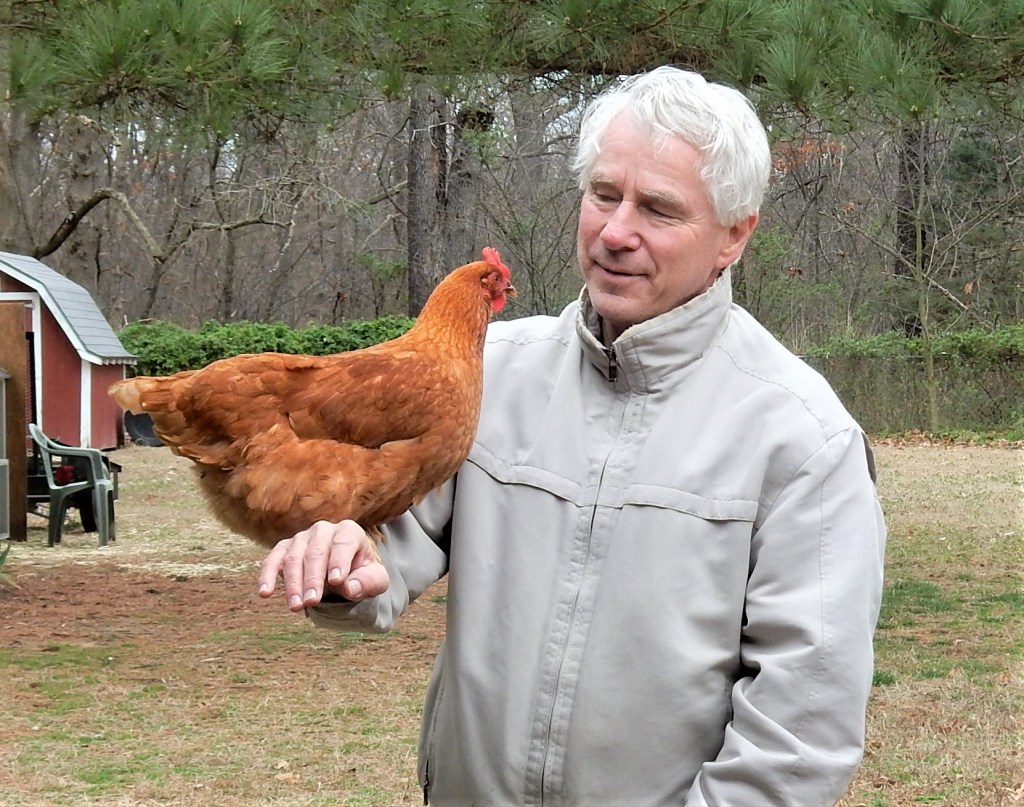
As I tossed the mix out for them, Elona and Baby wanted to be picked up. These two, and Goldie, are the ones who always want to be loved on. I picked up Baby, then Elona. But this time, Whitey and Red Head came up. That’s unusual because they are the more elusive ones.

As I held and talked with Elona – she was explaining life to me – Whitey stood at my feet.

“You want up, Whitey?” She took a step closer.

I put Elona down and scooped up Whitey. She cocked her head, looked at me from both sides of her head, and talked – but not freely as do Baby, Elona, and Goldie. They chatter with me, but Whitey merely said a few syllables. (I’m not joking.)

Then Goldie walked up and began pecking on my britches. That’s her signal to pick her up. Elona does that, too.

I put Whitey down and scooped up Goldie, and she began telling me what she’s been doing lately. I then felt Red Head bump against me as she was looking for more worms. I put Goldie down and picked up Red Head.

She squirmed a bit but didn’t try to get away. However, she wouldn’t talk at all. Red Head merely looked at me as if to say, “Are you happy now that I let you pick me up?” When she looked at the ground and wiggled her legs, I put her down, and she continued her search for worms. I had an extra worm in my hands, so I said, “Red Head – you want this?”

Without hesitation she jumped up, and with outstretched neck grabbed it with her beak. At that movement, the others came running. They wanted it! Do you know the chicken’s philosophy of life? Here it is: If I have it, it’s mine. If you have it, it’s mine. And if I had it but you took it, it’s still mine!

So, I threw out another handful of dried meal worms; that generated another feeding-frenzy.

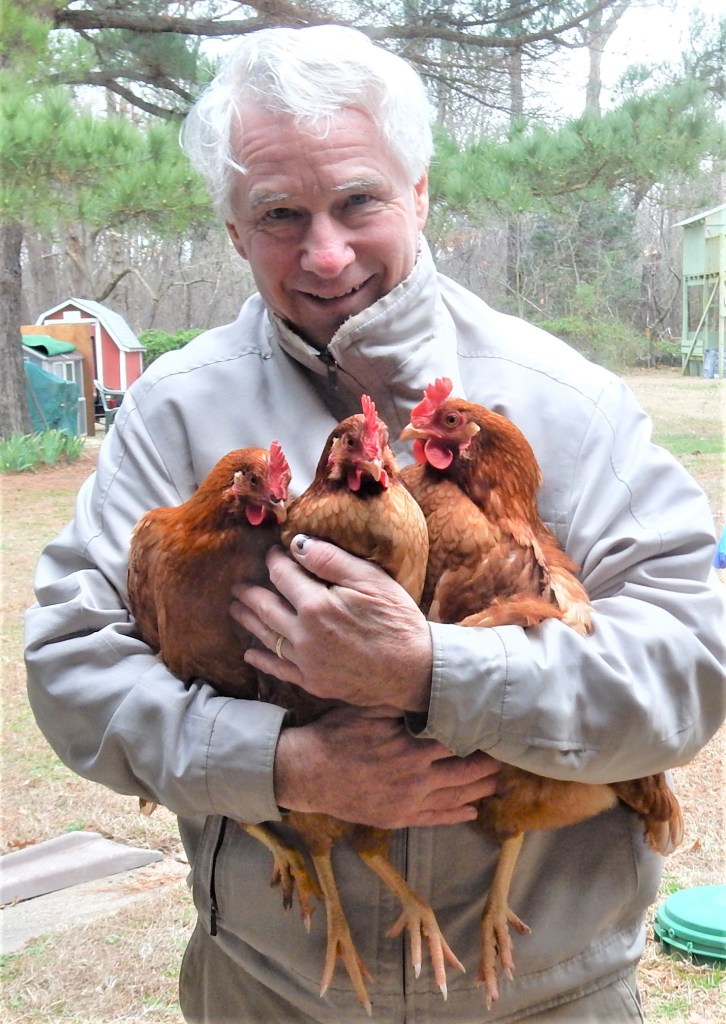
I often hold all five of the chickens – no more than three at a time, of course. I watch over my flock because (this may sound strange) I love them. I care for them and feed them very well. After losing the rooster (Fred) because I forgot to lock the coop, I always make sure they are safe and secure at night. They, in turn, come running to me every time I go out the back door. Again, as strange as it sounds, these babies love me – at least, as much as chickens know how to love.

Do you know that God loves us and wants to take care of us? But He does much more than I can do for my birds. I watch over my flock on a limited scale at best, but our Creator-Savior is a good shepherd and watches over His flock 24/7. He knows what’s happening with us every second of the day. He desires to “hold us” and care for us, and He goes out of His way to keep us safe and secure – if we let Him.

Amazingly, God is also limited in what He can do for us. What’s the limitation?

We are the limiting factor.

If my chickens wanted to, they could fly over the fence and escape my protective, nurturing care. They would be independent to roam freely. But they don’t. They stay with me, they trust me, they’re secure with me.

But many humans don’t have the wisdom my chickens have, and they run from God. Desiring independence, they “fly over the fence.” They fly from safety and into danger. They run from plenty, and into poverty. That’s not wise.

John 14:21 tells us that whoever loves the Lord – those who listen to and obey Him – are the ones to whom God the Father will reveal Himself.

If we run to God, and remain in His protective care, we can receive the “mix of goodies” that He wants to give us – in addition to His sustaining care available 24/7.

God loves you and desires to communicate with you. Study the Bible, learn to know Jesus, and find your security in and with Him. You may be surprised at the results.

Lessons From the Flock – Eggs

“We got six eggs from five chickens? How’d that happen?”

“Maybe it’s because my babies love me and want to stay in my good graces.”

 “Yeah, right!” Carol laughed. “But who gave the extra egg?”

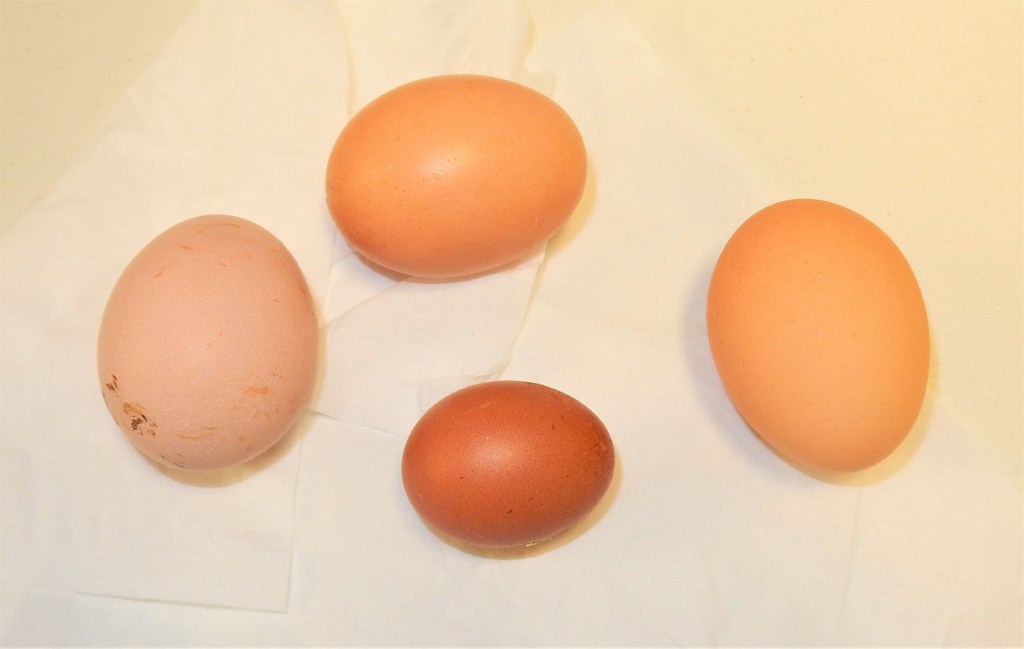
I studied the eggs. Each bird colors her eggs differently although some are very close. “Goldie gives dark brown eggs; Elona’s and Red Head’s are lighter brown; Whitey and Baby give light brown eggs with a pink hue. That’s why, although Goldie was the brooder who sat on the eggs, I think Whitey was the biological mama. But Goldie gave us two eggs today.”

“So Goldie is trying to stay in your good graces? She’s also the one who has been giving us double-yolkers.”

Carol was right. Within the past three weeks Goldie gave us five double-yolkers.

Carol had another question: “Don’t forget that Goldie also gave us several tiny eggs with no yolks; that was strange! How do they make eggs, anyway?”

It was time to study.

As with women, hens enter the world with all the eggs they will ever have. Our birds started laying eggs at six months of age, although some chickens lay at five months. Here, briefly stated, is the process.

Light entering the eyes starts the activity. Light and heat are the stimulants which help chickens produce an egg on the average of every 25 to 26 hours. However, rather than delaying the egg several hours each day, our birds usually lay them between 8:00 and 10:00 every morning and skip a day periodically. Hens normally don’t lay eggs in the dark, so if the egg is ready to be laid at night, she will “hold it” until morning.

The oocytes (eggs in the ovary which become yolks) begin growing. Normally, one a day is released into the oviduct where fertilization can take place, but several may be traveling down the oviduct simultaneously – growing as they move. If a rooster is on the job, the yolk is fertilized early in the journey. The chick will grow on the outside of the yolk, and the yolk and albumin (egg-white) are the food for the developing chick. The birds need plenty of clean water in order to manufacture eggs.

At about the half-way point, the albumin begins to accumulate. The mass is then wrapped in a membrane which holds things together for the calcite shell. Chickens need calcium to create the shells. About four days a week, I crush three or four of their own dried shells and mix it with their feed. (Our chickens don’t prefer oyster shells.)

The membrane, containing the yolk and albumin, sits in a calcium-rich fluid at the end of the oviduct where the calcite settles or is deposited all around the membrane. It takes over twenty hours for the shell to form. One end of the egg is more pointed, and the other is gently rounded; and normally, the rounded end comes out first.

If the egg is brown, the pigment is the last step of the process because the brown coloring is only on the surface; but green eggs are green throughout the shell.

I mentioned that Goldie gave us several yolk-less eggs. Those are called “no-yolkers” or “wind-eggs.” That happened after she gave us several double-yolkers where two yolks traveled close together and were caught in the same shell. The double-yolkers were the size of goose-eggs, but the wind-eggs were the size of half my thumb. (The wind-egg whites are as good to eat as are the whites in normal eggs.)

All five birds lay the eggs in the same nest – one at a time, of course. And it’s fun hearing each one “sing” as she ascends the ramp to deposit her gift.

Remember Carol’s question? She wanted to know how we got six eggs from five birds in one day. I had the answer: Goldie had an egg ready to lay sometime during the night but held it until daylight. By then, the next egg was almost ready. When she laid it a couple of hours later, we had six eggs for the day.

As I was preparing this article, I began laughing. “What’s up?” Carol asked.

“I’m laughing at the concept of Evolution. There is absolutely no way that birds – with their built-in egg-manufacturing process – could have evolved from a non-bird life-form. It is, also, impossible for any life-form to self-generate from dissolved rocks. Life, including vegetation, requires the engineering genius of our Creator: Almighty God.”

“Okay. And I suppose your research also answers another question.”

“Which one?”

“Which came first: the chicken or the egg?”

“You are smart! And we understand from the scientific viewpoint that, indeed, the chicken came first.”

I Try to Protect My Flock

In 2017 we were visited by a small flock of chickens. This blog, and the blogs for the next three weeks are about those memories.

I evicted the raccoon, ground hog, and opossum from the premises. Then I repaired the 8’x10’ barns to prevent predators from hiding close to the coop and put up new fencing to keep predators out of the chicken yard. The chickens and squirrels get along together, and the chickens love to eat little worms, frogs, and every kind of moving bug they can catch. Bugs are happy meals for happy chickens. (Yes! They do eat small frogs.)

Every night I latch the doors to the coop and latch the gate to the chicken yard. I feed the four hens and one rooster well, keeping food and water available 24-hours a day, and I give them scratch, table scraps, and other goodies every day. I try to protect my flock.

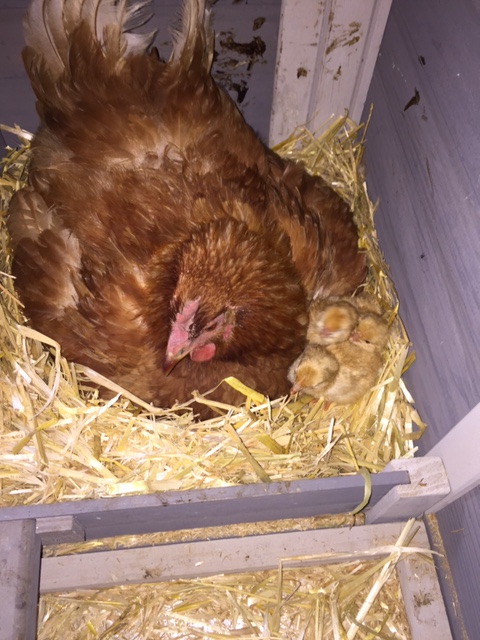
Carol and I decided to let the hens hatch a batch of chicks. All four hens took turns laying the eggs in one nest. I suppose the hens drew straws and Goldie was chosen to be the Momma. Twenty-three eggs fit inside the nest, so we began gathering the rest.

In New Mexico, we raised chickens and turkeys from 1973-1978. Buying the chicks at 3-days old, we didn’t hatch our own, therefore, this would be the first time we hatched … uh … let our hen hatch them, and we had a lot to learn.

I forgot that the mama hen turns the eggs several times a day. Thinking that one of the hens laid an egg on top of the 23, I took it and put it in the refrigerator. (We wash all the eggs we collect.) Four days later, Carol and I were negatively surprised when I cracked that egg to cook it, and dropped a fully-developed chicken as big as the first two digits on my baby finger into the pan. It had previously died in the fridge.

One night I got home late and forgot to secure the coop. The next morning, I found chicken feathers all over the yard, but no rooster. Fred (the rooster) apparently had fought the predator to protect his harem, and gave his life for them. But in the fracas, Fred also mortally wounded the opossum, and I found the opossum’s carcass in the corner of the yard. However, something else (coyote?) had jumped the fence and took Fred’s carcass.

Never again will I forget to secure the coop.

After Goldie sat on the nest for three weeks, the eggs began hatching. Eleven hatched, but one died. I called the remaining babies “Our ten chicklets.” I made sure I closed and latched the coop, but there was something else I didn’t know: the other hens would hurt or kill the babies.

Making the fatal mistake of allowing the hens to be in the same coop with the babies, the next morning I found eight dead chicklets. It was my fault, and I felt terrible. Even worse, while Goldie was trying to protect her young’uns, the other three hens attacked her. That broke our hearts, and I resolved to keep the hens away from Goldie and her remaining babies until they were older. Goldie recovered, but a week later, one of the chicklets died.

The remaining chicklet is nearly full-size now, and she has a name: Baby. So, we have Red Head, Whitey, Elona, Goldie, and Baby. Now the hens don’t attack Baby; it’s just the regular “pecking-order” that takes place.

As I’ve been thinking about all this, the Church came to mind. Too often, if someone’s theology differs from ours, they are labeled or branded as in error. Regardless of theology, if they tend to differ in other seemingly important areas, the church often tends to shun them or separate from them. We sometimes “kill” them socially by damaging their reputation. And if we allow our emotions to control us, we can even insult Jesus by splitting His Church. This ought not to be!

People who are made in the image of God should not act like animals. I Peter 4:8 informs us that we should look for ways to love and protect God’s flock.

Neither you nor I are perfect, so learn to accept others as they are. Love and honor God by loving and protecting His flock. Remember: you need their friendship as much as they need yours.

I’ll tell you more about the flock in the next three weeks.

It All is Beauty to Me

Driving over a hill, I wonder what I’ll see.

It may be a rock or a rill, it all is beauty to me.

Magnificent valley below, flowering bush and tall tree,

Swaying as the wind does blow, it all is beauty to me.

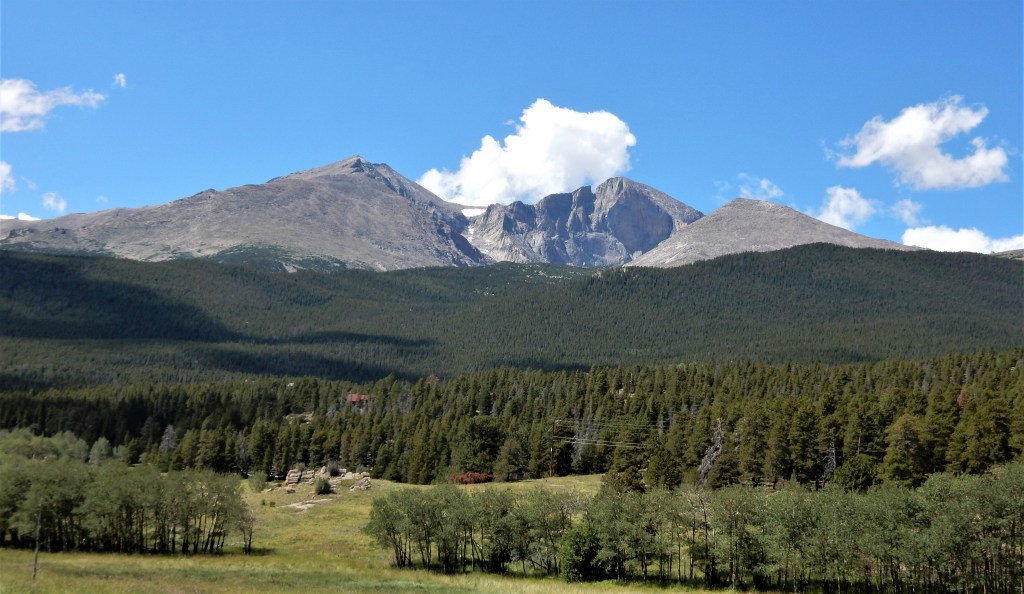
Climbing the mountain high with my head up in the cloud,

Breathing deeply, I sigh, and praise the Lord out loud.

Seeing the vista so wide, away from the noisy crowd,

With only birds at my side, I praise the Lord out loud.

Sailing along the coast, the wind and rain I brave,

I thrill with Jesus, my host, and with the freedom he gave.

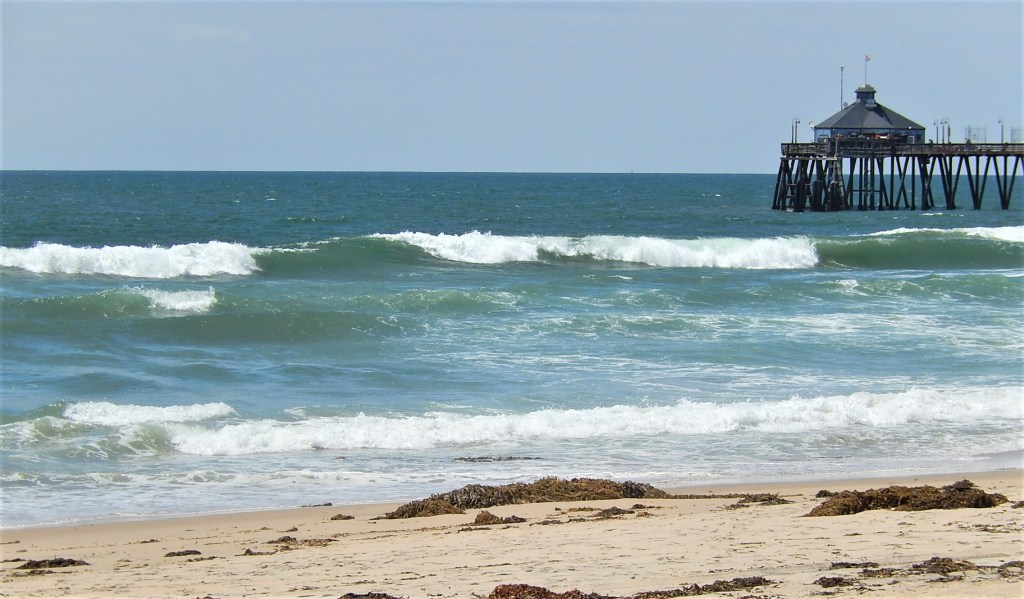
Sitting on sandy shore, watching the crashing wave,

Thinking of God I adore, and the freedom He gave.

Walking through forest green, quiet meadow and lake,

I thrive in nature serene with each breath that I take.

Turning to go home, I plant my stake,

Planning again to roam with each breath that I take.

Reaching for Life

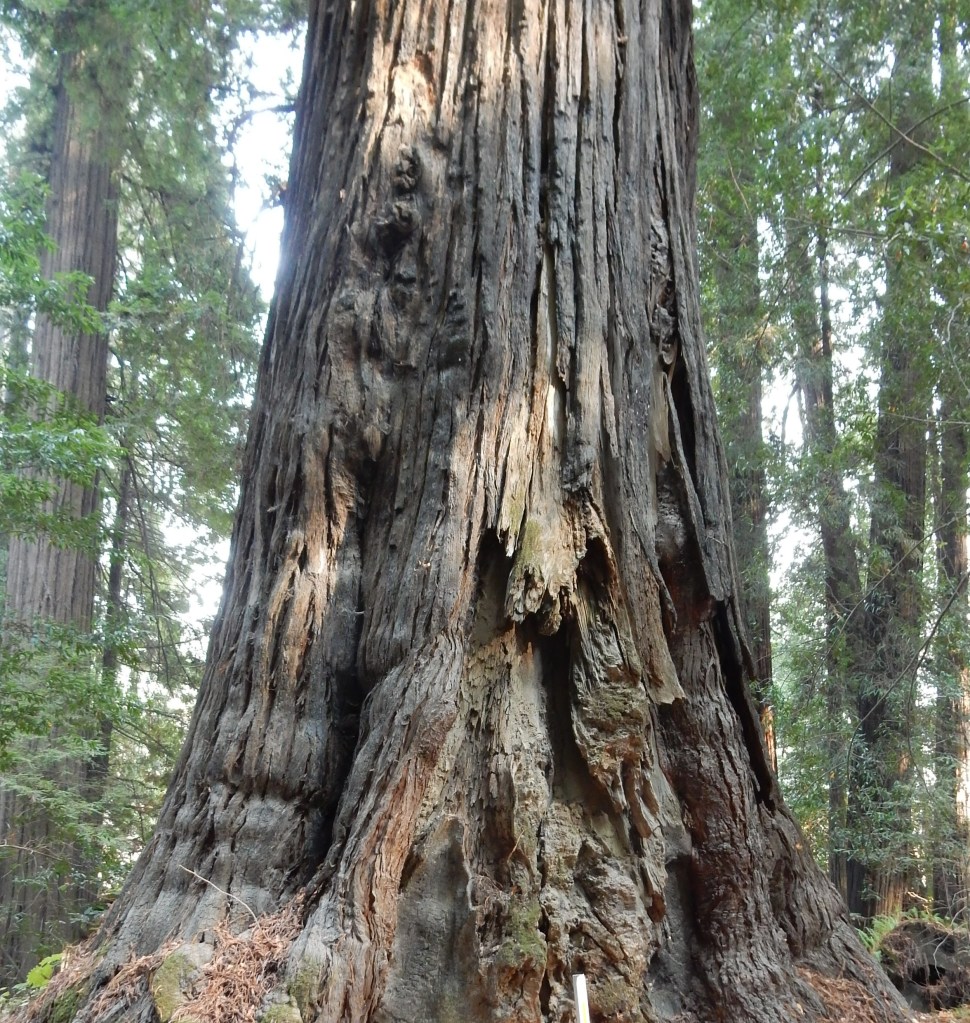
I’ve been looking at my pictures of the redwood forest in Northern California. The trees are big! Our pine tree in back yard that is over two and a half feet in diameter looks big; but it is small compared to a relatively small five-foot diameter redwood tree. Amazingly, redwoods that are 10-18 feet in diameter are common, and it staggers the imagination knowing that the diameter of the General Sherman Redwood is over 32 feet!

A typical farmed redwood tree may weigh 50,000 pounds, but some redwoods weigh over 2,000,000 pounds! Interestingly, about half the weight is in the water. The redwood bark may be 2-feet thick, and a huge redwood tree may provide wood to build 30-35 homes.

Water is necessary for life. The redwoods grow to 250-350 feet tall and require over 100 gallons per tree per day. But it rains a lot in these forests, snows in the winter, and fog is prevalent; therefore, they are seldom thirsty. The root systems of redwoods are shallow, and that would mean a heavy wind or flood could topple them easily. But as they reach for life-giving water, a mature tree spreads its roots over 2 to 4 acres; and with 8 to 20 trees per acre, the root systems overlap and intertwine which results in a strong foundation for these top-heavy giants. They effectively support each other in rough times.

Light is also necessary for life. God engineered plants to reach for or aim toward light. This is called phototropism. The same is true of these giant trees. Programmed to be tall anyway, they continue to reach for life – for sunlight. Lone trees out in the open will not be as tall as those in the forest with a thick canopy of foliage; and they are also open to more danger. There is protection among its neighbors.

The mature redwoods are basically fire-resistant. The thick, fibrous bark does not burn easily; and as a protective shell, it insulates the tree which allows it to survive most fires. The thick bark also provides protection of another kind: it has the ability to withstand fungus, disease, and insect attacks. This is why these trees live so long. The oldest known redwoods are about 3,000 years old. Only the bristlecone pines (about 5,000 years old) are known to be older.

Looking at the pictures of these magnificent trees, my mind gravitates toward humanity. I see similarities. No – not about size, but about other features and qualities.

The redwood’s root system covers a wide area which gives it stability in inclement weather. In the same way, our roots in healthy relationships with family, church, and society give us stability during “inclement” situations such as death, job loss, health deterioration, and more. In our many storms of life, we need each other for emotional and physical support. But our strong roots in a healthy relationship with Jesus Christ will help us even more in this life on earth, as well as throughout eternity.

 A straight tree is stronger than a crooked tree, and its wood is useable in more situations. Likewise, a morally and intellectually straight man is stronger, trustworthy, where an immoral or double-minded man is weak, confuses people, and leads people down the path of destruction.

Trees must reach for the light to survive. In the same manner, man must reach for light – truth – to survive. We cannot survive very long, either societally or spiritually, if we live in spiritual and moral darkness. We cannot mature as morally strong individuals if we resist truth.

As the thick bark protects the trees, living in truth will protect us. Knowing the truth about various aspects of life – food, environment, chemicals, health, morals, physiology, and a lot more – can help us live safely. And purposefully living according to the truths found in the Bible will protect us in many ways most people don’t yet understand.

As the trees depend on water from the sky for life, man depends on guidance from the sky – direction from God – for life. Psalm 1:1-2 tell us not to follow the advice of ungodly people, but to meditate on and live according to the words of the Lord. Psalm 33:11 tells us that God’s plans are good, healthy, and beneficial. And Proverbs 14:11-12 warn us that man’s apparently powerful plans will fail in the end, but God’s seemingly weak plans are actually strong and will stand forever. Trust in Jesus: Reach for Life.

The Donkey Spoke

In the year 2000, I filled in as interim pastor for a couple of months in a small New Mexico town while the leadership searched for a new pastor. Then in December, the elders surprised me by asking me to be their pastor. I said “No.”

The church had a history of ups-and-downs with a poor reputation, and it couldn’t afford to give me a salary. It was 200 miles from where I lived, and I was already working 60-hour-per week; so you might understand why I didn’t want to accept the call. Part time at that distance was okay, but I didn’t want to commit to full-time.

The elders and I discussed the logistics, and they eventually offered a parsonage we could use; agreeing that I would keep the current employment.

But a 400-mile round-trip every weekend? Huh-uh!

They asked me to pray about it. Now I was trapped. Christians, especially pastors, can’t refuse to pray – that’s against the rules.

I found out that God must have a sense of humor, because after praying about it, it seemed like the Lord was prompting me to accept. So on January 7, 2001, I hesitantly accepted the call.

Now my attitude was different. Why? Instead of merely filling the position while they were supposed to be looking elsewhere for a pastor, my new objective was to find out why the church was having ongoing problems. Maybe I should have already known, but I had decided to let the next pastor figure it out. Now I was that next pastor.

However, as I did my pastoral homework, it didn’t take long to discover the problems. To put it mildly: a lack of Christian love ruled the roost. The owner of the local grocery store told me the church was known as “the Fighting Church.” That didn’t make me feel any better.

Part of the problem was, as is common in many local churches, poor communications and unwillingness to compromise on small issues in order to make headway on larger concerns. How was I going to turn it around?

Did I mention that God has a sense of humor? Keep reading.

After the service one Sunday morning, two of the elders and I were discussing an idea that I thought would help the church. They didn’t agree, so I invited them outside the church building to look at the situation. I hoped that by looking at the problem, it might help them understand my point of view.

Reminding me that they disagreed, they politely listened anyway.

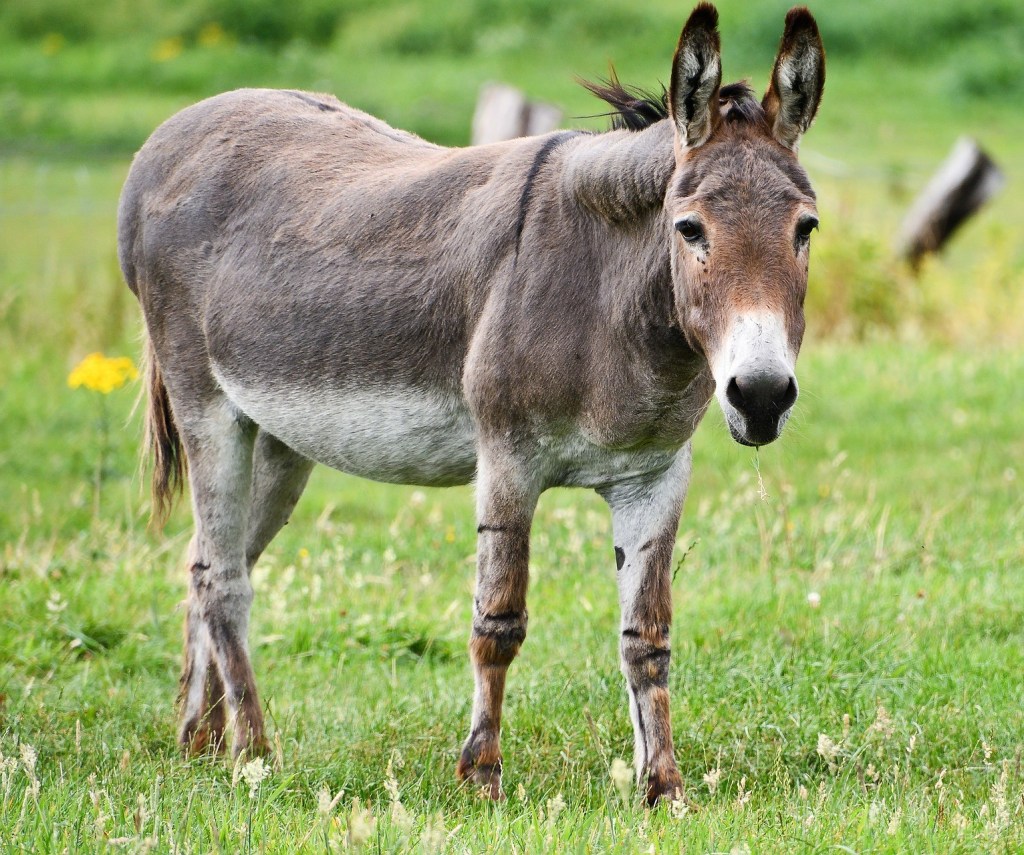
The church building was in the countryside, and a ranch was across the fence. Choosing my words carefully, I laid out my thoughts, and I was convinced I had won them over. But at the very moment I said my last word, the donkey in the adjacent field spoke!

I haven’t heard a donkey bray that loudly before in my life! Of course, the elders and I began to laugh at the timing of the interruption. But to make matters worse, my lead elder said as loudly as the donkey, “My Sympathies, Exactly!”

The three of us broke out in an uproarious laughter. We had been friends for over a year and disagreements never hurt us. But that event brought us even closer together.

When I muttered, “Dumb donkey!” the other elder said, “He’s not dumb. He spoke his mind quite clearly.” More laughter ensued, and we went back into the building to get some coffee—mine with cream and sugar.

Then Romans 12:3b came to mind. “Don’t think you are better than you really are. Be honest in your evaluation of yourselves, measuring yourselves by the faith God has given us” (NLT).

Over coffee, I asked them to state their opinion—again—and I would listen carefully. In the next half-hour, I realized they were right, and we worked out an alternate plan.

That incident did more than settle a disagreement. As word got around to the church members that they now had a pastor who was willing to listen, they began to trust me.

Still working on the other problems, I preached on forgiveness four times a year for three years—that’s what it took to settle the other personnel issues. And when I eventually resigned as pastor, that same groceryman told me, “Your church has a new name in town: the Loving Church.”

I thanked God for prompting the donkey to speak.

Current Actions Produce Delayed Results

The phone rang. Looking at the caller ID, I answered, “Howdy Paul.”

“Hey Eugene, what are you doing June 21 through June 24?” Paul was an army chaplain, recently retired, and is now a supporting chaplain at the Naval Academy at Annapolis, Maryland.

I responded, “Nothing’s on the calendar for those days – yet. What do you have in mind?”

“You want to fly to Montana with me?”

“Are you driving?”

“No, big brother. We’ll fly commercial.”

“Are you looking for grizzlies, moose, bison, or what?”

“Wrong on all counts. I want to see the shortest river in the world. You coming with me on this ‘brother’s trip’ or not?”

“Count me in!” And that started an adventure that two close brothers will never forget; and will result in a co-authored book.

Flying out of Oklahoma City, we changed planes in Salt Lake City, then made Helena, Montana home for two nights.

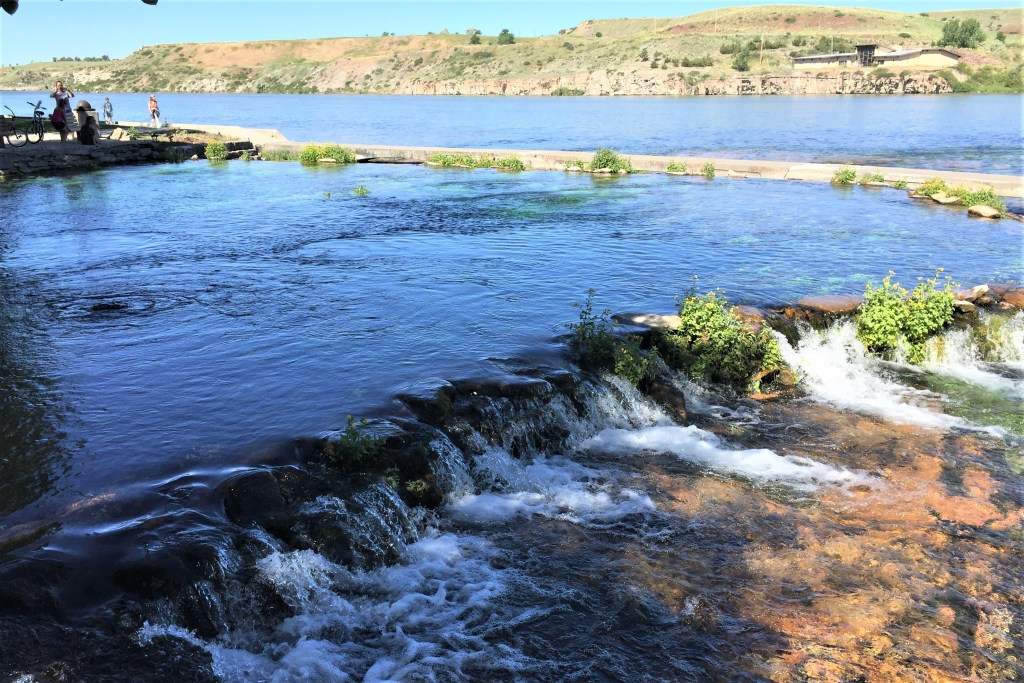
Over dinner, we discussed the purpose of the trip. Up near Great Falls, Montana, there is a natural phenomenon called Giant Springs from which flows what has been dubbed the shortest river in the world. Paul informed me, “Both the Springs and the River are why we are here.” The next day, we drove 75 miles to Giant Springs.

The Little Belt Mountains are sixty miles from Great Falls. As it rains and snows in those hills, water seeps into the Madison Aquifer. Most of that water flows underground into five surrounding states and up into Canada, but a portion travels to Giant Springs. There, approximately 150 million gallons push to the surface every day through openings in the limestone overlaying the Madison Aquifer. Situated on the east bank of the Missouri, some spring water flows directly into the Missouri, while the remainder enters the Missouri by way of the 201-foot-long Roe River. Fish eggs are called roe, and a portion of the short river is diverted into the fish hatchery. Therefore, the name Roe River.

As Paul and I approached the water, I incredulously asked, “That’s a river? That’s shorter than a football field.”

“Sure is. I was on a business trip in 2004, and I always wanted to come back and study it.”

Well, study it, we did – and still are. Various reports say it takes the water twenty-six to fifty-six years to make the sixty-mile trek through the Madison Aquifer, flowing from the Little Belt Mountains to Giant Springs. Yet other reports say some of the water is diverted through different layers of limestone and takes 3,000 years for the journey. Why is there a diversity of opinion about how long it takes? There is an answer, and we will find it.

Another point: the water becomes impure as it seeps into the ground. It can become contaminated by animal droppings, dead animals, mold, and so forth. But as it flows through the limestone, much of the impurities are filtered out.

But what’s the point of it all? I’m glad you asked.

There is a cause and effect working here. The mountain rain and pristine snow (the cause) and the beauty and majesty of the springs (the effect) remind us of the timeline of human life. As it takes many years for the water to seep through sixty miles of limestone to the Springs, things also happen in our lives that often produce a delayed response.

As a child you may have been told, “You’re dumb; you’ll never amount to much!” Or, “You can’t do anything right!” Those are devastating blows that contaminate life; and the clock begins ticking for results to push to the surface. But as the limestone removes the impurities from the water, someone’s intervention can remove those impurities from life. Loving interactions heal wounds.

On the other hand, you might have heard, “You are GOOD at this! You will do well in life.” That, also, sets the clock ticking, and what bubbles to the surface years later can benefit both humanity and God.

The point is: events and personal interactions shape us, but it may take years for the results to show.  So be kind to others and guide them. Help shape lives in a positive manner. Love others as God loves you.

Well, after the working part of the trip, we drove to the town of Stanford, Montana, where Paul treated me to lunch. He said, “I’m taking Stanford (my first name) to Stanford for lunch in honor of your first name.” It was sixty miles out of the way, but who cares? We had a wonderful time up in Big Sky Country.